



Robotic Systems
The center is equipped with the largest fleet of robotic surgical systems among private hospitals in Hong Kong. In response to ongoing clinical needs and technological advancements, AHHK continues to invest in and introduce world-class systems, including:


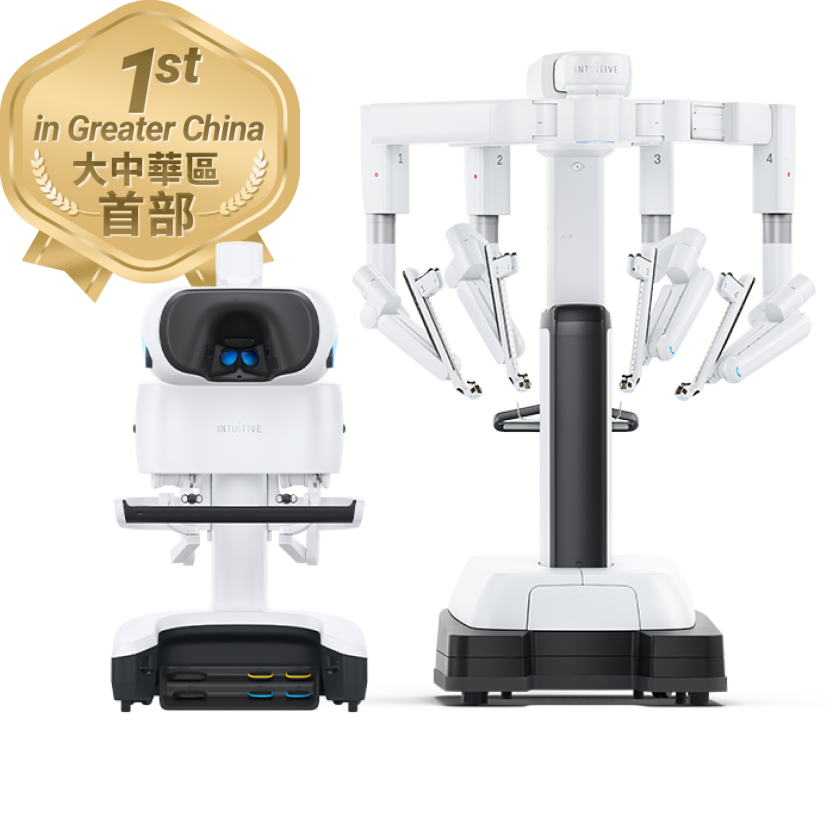
da Vinci 5 Robotic System
The 1st hospital in Greater China to introduce the 5th generation da Vinci surgical system.
The 5th generation da Vinci system builds on the 4th generation's minimally invasive and oncological platform, adds FDA-cleared for cardiac surgery, delivers 10,000x greater computing power, and integrates advanced AI.
The 5th generation da Vinci system builds on the 4th generation's minimally invasive and oncological platform, adds FDA-cleared for cardiac surgery, delivers 10,000x greater computing power, and integrates advanced AI.

da Vinci Xi Robotic System
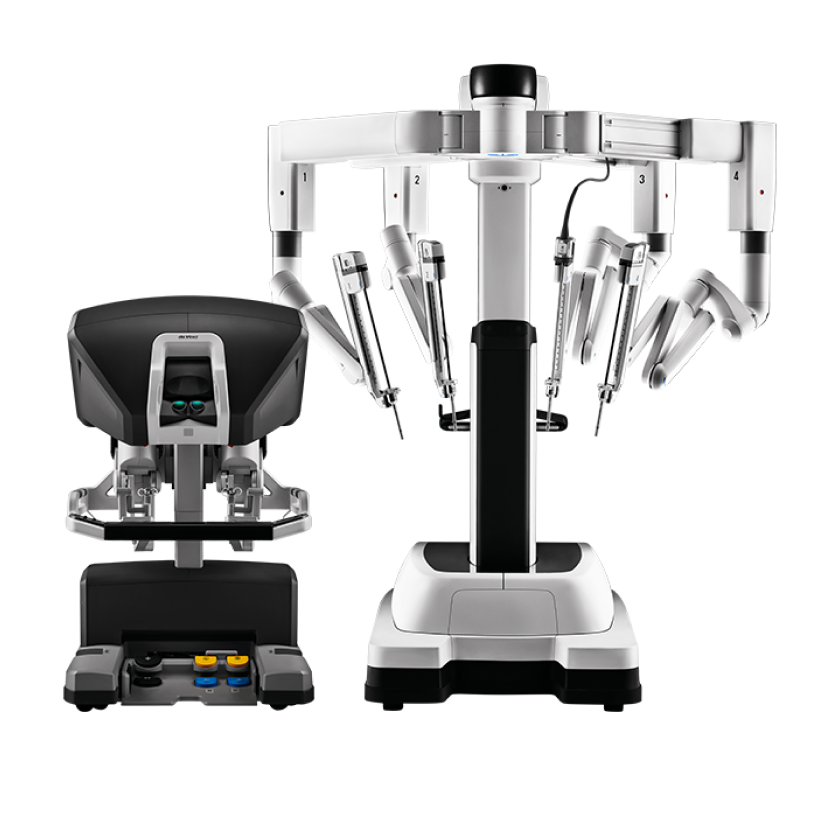
A 4th generation robotic platform designed for minimally invasive and oncologic surgeries, applied in procedures involving the prostate, colorectal, stomach, liver, pancreas, and bile duct.
ExcelsiusGPS® Robotic System
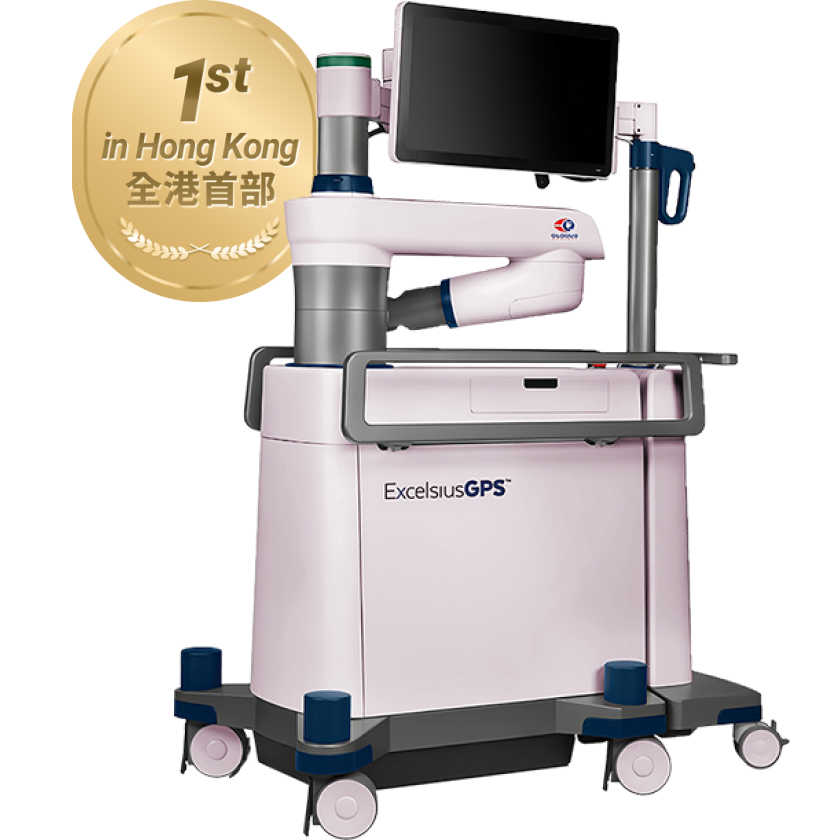
Hong Kong’s 1st robotic system targeting the entire spine.
ROSA® Robotic System
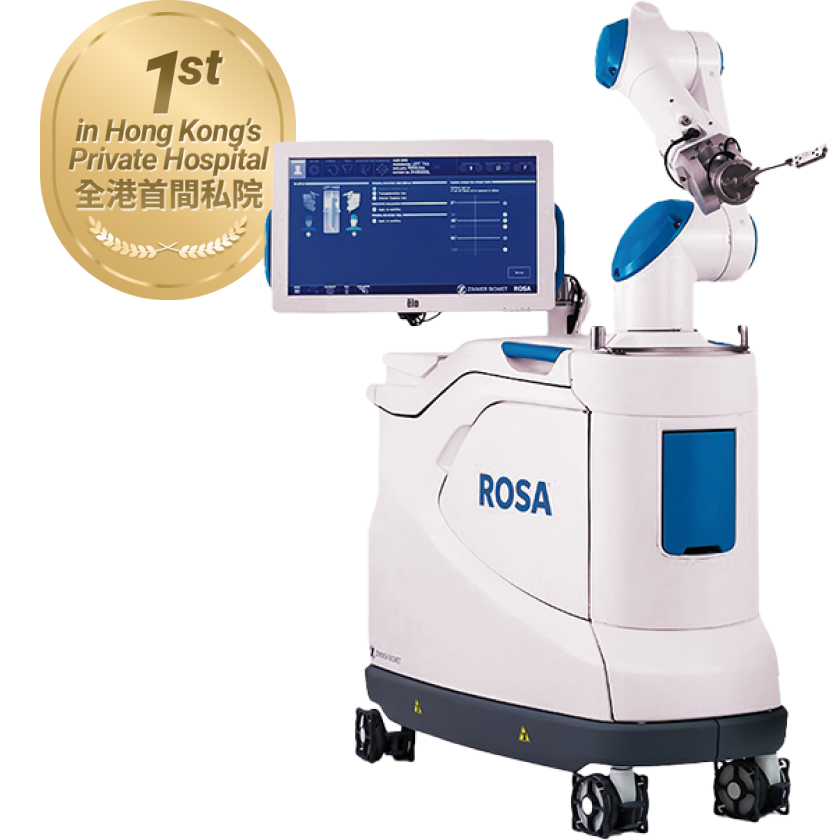
The hospital is the 1st privatehospital in Hong Kong to performROSA surgery.
A robotic system used fortotal knee replacement.
A robotic system used fortotal knee replacement.
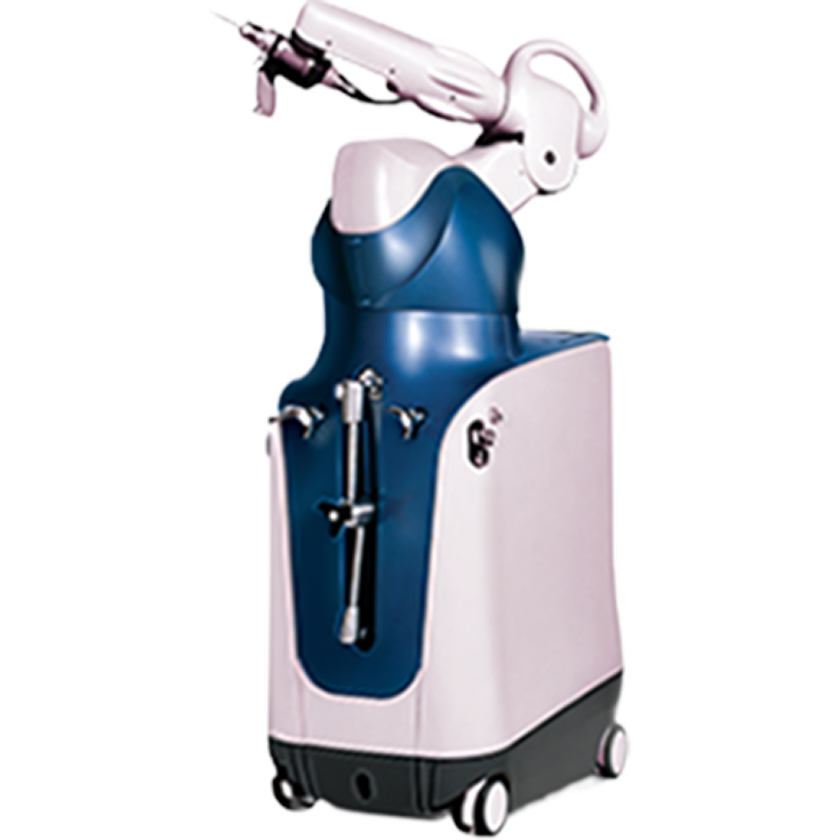
Robotic-Assisted Hip Replacement Surgical System
Hong Kong first CT-based Robotic-assisted surgery since 2012, applied to Total Hip, Total Knee and Partial Knee Replacement.
Hugo™ RAS Robotic System
A robotic platform for surgeries in Urology, General Surgery, and Gynecology.
da Vinci 5 Robotic System
The first of its kind in Greater China. Compared to previous systems, the da Vinci 5 offers significant improvements in surgical precision and safety. This technology can be applied across a wide range of specialties, particularly in cancer treatment, including gastric cancer, liver cancer, and pancreatic cancer.
Robotic-assisted surgery has been widely adopted for prostatectomy across many regions. In the United States, the annual number of prostate cancer procedures performed with robotic systems has already surpassed traditional open surgeries. Surgeons employ three-dimensional, high-definition imaging to precisely remove the prostate through minimally invasive techniques, while preserving critical nerves and blood vessels. This approach enhances surgical precision, ensures patient safety, and improves postoperative outcomes.
Robotic systems are highly effective in managing complex rectal cancer cases, helping to avoid side effects caused by nerve involvement, such as impairment of pelvic nerve function. Surgeons can access the pelvic cavity to remove tumors while preserving anal muscle function, thereby eliminating the need for permanent colostomy surgery.
Robotic-assisted surgical systems support gastric cancer procedures by enabling faster and more precise removal of lymph nodes located close to the aorta, while avoiding injury to nearby major blood vessels. This enhances both surgical safety and accuracy.
The liver is densely packed with blood vessels and connected to the bile ducts. Robotic-assisted surgical systems provide three-dimensional, clear, and magnified real-time imaging, while filtering out hand tremors from the surgeon. This further enhances surgical precision and improves safety.
Robotic-assisted surgical systems support pancreatic cancer procedures by providing three-dimensional, high-definition, magnified real-time imaging. Surgeons can more precisely dissect tumor tissue while avoiding injury to the complex network of blood vessels and bile ducts surrounding the pancreas. The system also filters out hand tremors, further enhancing surgical safety and accuracy, and contributing to improved postoperative outcomes.
da Vinci Xi Robotic System
The fourth-generation da Vinci Surgical System is an advanced minimally invasive surgical platform. Globally, more than 12 million procedures have already been performed using the da Vinci system. This technology can be applied across a wide range of specialties, particularly in cancer treatment, including gastric cancer, liver cancer, and pancreatic cancer.
Robotic-assisted surgery has been widely adopted for prostatectomy across many regions. In the United States, the annual number of prostate cancer procedures performed with robotic systems has already surpassed traditional open surgeries. Surgeons employ three-dimensional, high-definition imaging to precisely remove the prostate through minimally invasive techniques, while preserving critical nerves and blood vessels. This approach enhances surgical precision, ensures patient safety, and improves postoperative outcomes.
Robotic systems are highly effective in managing complex rectal cancer cases, helping to avoid side effects caused by nerve involvement, such as impairment of pelvic nerve function. Surgeons can access the pelvic cavity to remove tumors while preserving anal muscle function, thereby eliminating the need for permanent colostomy surgery.
Robotic-assisted surgical systems support gastric cancer procedures by enabling faster and more precise removal of lymph nodes located close to the aorta, while avoiding injury to nearby major blood vessels. This enhances both surgical safety and accuracy.
The liver is densely packed with blood vessels and connected to the bile ducts. Robotic-assisted surgical systems provide three-dimensional, clear, and magnified real-time imaging, while filtering out hand tremors from the surgeon. This further enhances surgical precision and improves safety.
Robotic-assisted surgical systems support pancreatic cancer procedures by providing three-dimensional, high-definition, magnified real-time imaging. Surgeons can more precisely dissect tumor tissue while avoiding injury to the complex network of blood vessels and bile ducts surrounding the pancreas. The system also filters out hand tremors, further enhancing surgical safety and accuracy, and contributing to improved postoperative outcomes.
ExcelsiusGPS® Robotic System
Spinal conditions such as herniated discs, spinal stenosis, or degeneration not only cause chronic pain but are often accompanied by numbness and weakness, severely limiting patients’ mobility and quality of life. When conservative treatments fail to relieve symptoms, spinal surgery may be recommended. Our hospital has introduced Hong Kong’s first ExcelsiusGPS® robotic surgical system applicable to the entire spine. It is primarily used in spinal fixation procedures, such as the implantation of screws and fusion devices in the lumbar or cervical spine, offering patients a more precise treatment option.
During surgery, the robotic system enhances the accuracy of surgical operations. By integrating computer navigation, it reduces reliance on X-rays, thereby lowering radiation exposure for both patients and medical staff. Surgeons can pre-plan the size and placement of screws before the procedure. Compared with traditional methods that rely solely on X-rays and clinical judgment, this technology improves implant stability and accuracy, providing patients with a safer and more reliable surgical solution.
During surgery, the robotic system enhances the accuracy of surgical operations. By integrating computer navigation, it reduces reliance on X-rays, thereby lowering radiation exposure for both patients and medical staff. Surgeons can pre-plan the size and placement of screws before the procedure. Compared with traditional methods that rely solely on X-rays and clinical judgment, this technology improves implant stability and accuracy, providing patients with a safer and more reliable surgical solution.
Advantages
Shorter hospital stay: Many patients experience reduced hospitalization time.
Less pain: Smaller incisions result in less postoperative discomfort.
Reduced intraoperative bleeding: Minimizes blood loss during surgery.
Lower impact on surrounding tissues and muscles
Shorter operation time
Lower infection risk: Smaller incisions decrease the chance of infection.
ROSA® Robotic System
As people age, the loss of bone and muscle often leads to severe joint pain, sometimes requiring knee replacement surgery. In public hospitals, the waiting time for such procedures is approximately four years (with 33,951 cases recorded as of June 30, 2024). For patients suffering from persistent pain, timely treatment options are crucial.
The ROSA® Robotic System is an advanced medical technology designed to assist orthopedic surgeons. Following professional diagnosis, the system helps surgeons perform highly precise bone cuts during surgery, ensuring optimal alignment between the artificial joint and the patient’s bone structure. With the stability provided by robotic assistance, soft tissue damage is minimized, postoperative pain is reduced, and patients can regain daily mobility more smoothly after surgery.
The ROSA® Robotic System is an advanced medical technology designed to assist orthopedic surgeons. Following professional diagnosis, the system helps surgeons perform highly precise bone cuts during surgery, ensuring optimal alignment between the artificial joint and the patient’s bone structure. With the stability provided by robotic assistance, soft tissue damage is minimized, postoperative pain is reduced, and patients can regain daily mobility more smoothly after surgery.
Advantages
Reduced postoperative pain: Smaller incisions result in less discomfort after surgery.
Faster recovery: Patients typically resume normal activities sooner than with traditional surgery.
Reduced intraoperative bleeding: Minimizes blood loss during the procedure.
Shorter hospital stay: Many patients experience reduced hospitalization time.
Robotic‑Assisted Hip Replacement Surgical System
When hip joint cartilage is damaged due to degeneration, inflammation, or trauma, patients often experience pain while walking, sitting, or standing, which affects their quality of life. If medication or physical therapy fails to provide relief, orthopedic surgeons may recommend hip replacement surgery to alleviate pain. The hospital has introduced a robotic-assisted system that integrates orthopedic expertise with modern technology, aiming to enhance precision and safety during surgery.
Using three-dimensional imaging generated from computer scans, surgeons can carry out detailed preoperative planning to determine the optimal positioning of the acetabular and femoral implants. During the procedure, the robotic system assists in performing precise bone preparation, minimizing tissue impact. With the guidance provided by system parameters, surgeons can more accurately adjust and place the implants, helping patients reduce pain and regain daily mobility.
Using three-dimensional imaging generated from computer scans, surgeons can carry out detailed preoperative planning to determine the optimal positioning of the acetabular and femoral implants. During the procedure, the robotic system assists in performing precise bone preparation, minimizing tissue impact. With the guidance provided by system parameters, surgeons can more accurately adjust and place the implants, helping patients reduce pain and regain daily mobility.
Advantages
Enhanced surgical precision: Clinical studies show that robotic technology combined with preoperative planning enables more accurate placement of joint implants, effectively reducing human error.
Improved surgical safety: With tactile feedback limits, the system helps surgeons precisely control the bone-cutting range, reducing soft tissue damage and intraoperative bleeding.
Faster recovery: As the impact on soft tissue is minimized, patients generally experience shorter recovery times and hospital stays.
Long-term implant durability: More precise positioning and angle alignment help reduce wear on artificial joints, maintaining long-term stability of the implant.
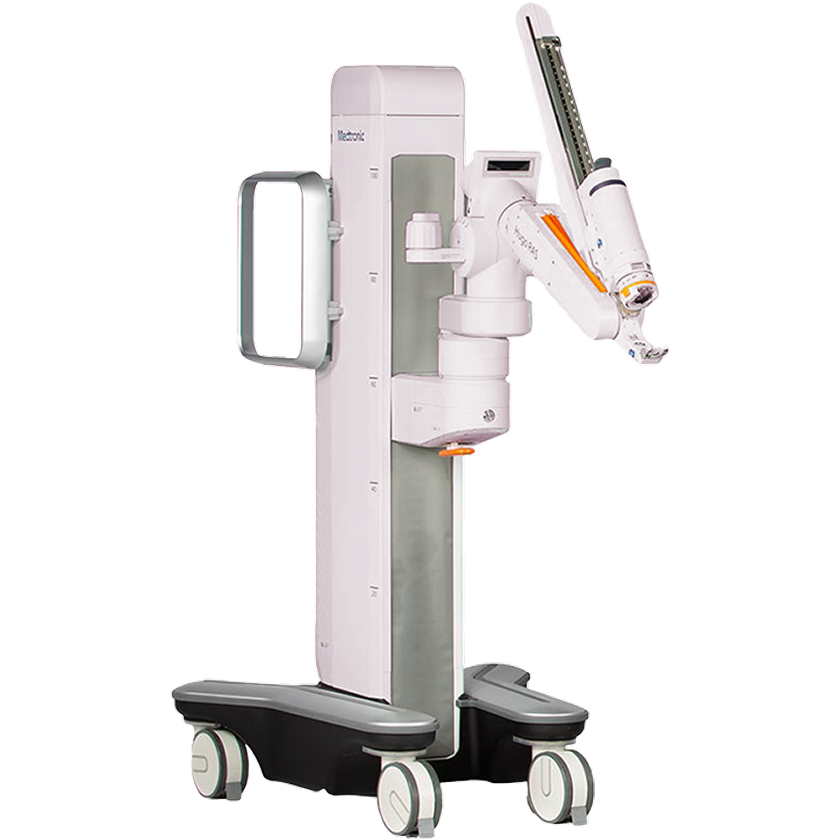
Hugo™ RAS Robotic System
The Hugo™ Robotic-Assisted Surgery System has made our hospital the first private institution in Hong Kong to apply this technology in clinical operations. Integrating artificial intelligence, high-resolution imaging, and advanced precision techniques, the system is designed to enhance surgical accuracy. Through cutting-edge minimally invasive approaches, it helps reduce surgical trauma, enabling patients to recover more quickly and return to healthy living.
In clinical practice, our medical team has completed rigorous international training, with expertise covering urological procedures such as prostate, kidney, and bladder surgeries. The system’s high-resolution imaging provides surgeons with a clearer view of the surgical field, optimizing treatment outcomes. Since each patient’s condition is unique, suitability for this procedure must be individually assessed by the physician based on clinical diagnosis, ensuring the most appropriate personalized treatment plan.
In clinical practice, our medical team has completed rigorous international training, with expertise covering urological procedures such as prostate, kidney, and bladder surgeries. The system’s high-resolution imaging provides surgeons with a clearer view of the surgical field, optimizing treatment outcomes. Since each patient’s condition is unique, suitability for this procedure must be individually assessed by the physician based on clinical diagnosis, ensuring the most appropriate personalized treatment plan.
Advantages
Precise vision and operation: Equipped with a 32-inch 3D high-resolution screen and flexible robotic arms, enabling surgeons to perform precise procedures under a clear view.
Modular design flexibility: Independent robotic arm carts overcome spatial limitations, allowing flexible positioning adjustments for complex surgeries.
Open team collaboration: The open console allows the medical team to observe 3D images simultaneously, enhancing communication and improving surgical efficiency.
Optimized recovery process: Minimally invasive techniques aim to reduce wound size, bleeding, and complication risks, helping shorten hospital stays and accelerate recovery.


