

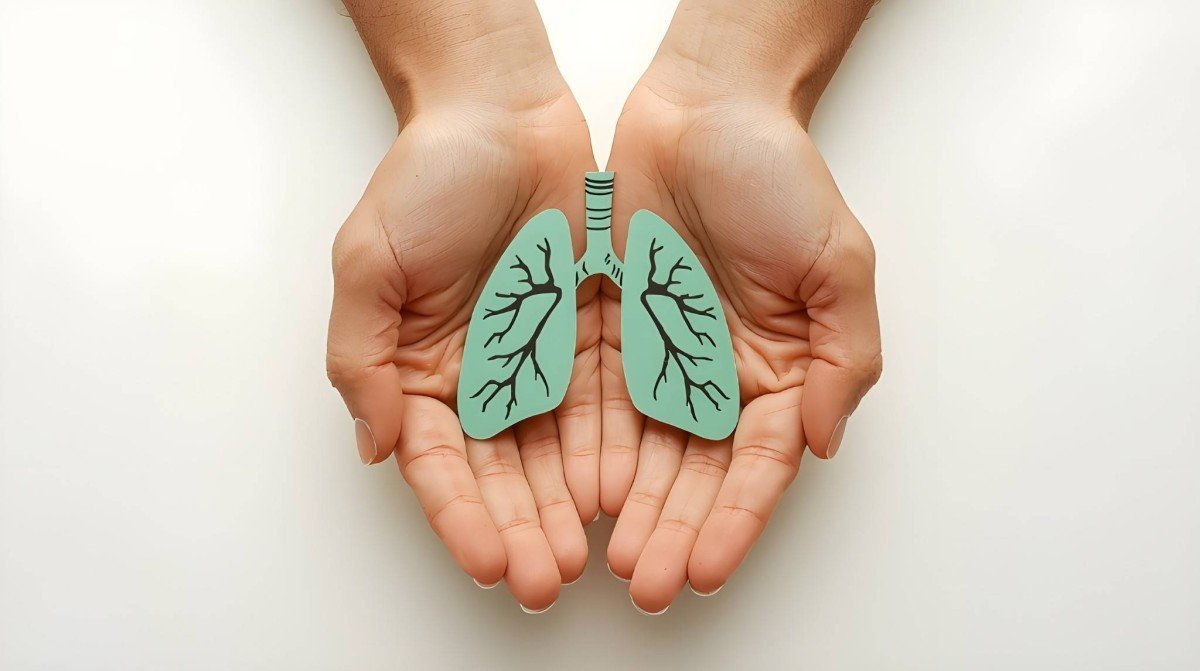
Due to the often subtle symptoms of early lung cancer, approximately 60% of patients are diagnosed at stage IV. Therefore, early detection of symptoms is crucial. Persistent coughing (lasting over three weeks) or wheezing (shortness of breath) should raise concerns, prompting timely medical consultation. Data shows that the five-year survival rate for stage I lung cancer patients is around 60%, while for stage IV, it drops to just 3-5%.
Causes
Environmental pollution and increased radiation can lead to genetic mutations in body cells. If the immune system fails to eliminate these abnormal cells, cancer may develop. Additionally, the World Health Organization reports that prolonged exposure to smoke-filled and poorly ventilated environments (indoor air pollution) also increases the risk of lung cancer.
Common Symptoms
- Persistent Cough (lasting over three weeks)
- Wheezing or chest pain
- Coughing blood
- Weight loss and loss of appetite
- Unusual fatigue
Types of Lung Cancer
- Non-Small Cell Lung Cancer (NSCLC): Often associated with acquired genetic mutations, particularly in non-smoking Asian women.
- Small Cell Lung Cancer (SCLC): More common in male smokers, characterized by rapid growth and spread of cancer cells.
Treatment Trends: Personalized Precision Therapy
Recent advancements in lung cancer treatment have moved towards personalization and precision. Doctors develop targeted treatment plans based on the patient's type of lung cancer, stage, genetic testing results, and overall health status.
- Early to Mid-Stage (Stages I to III): Consideration of "sandwich therapy," which involves using chemotherapy or combined immunotherapy to shrink tumors before surgical removal, potentially improving cure rates to 20-30%.
- Advanced or Recurrent Patients: If resistance develops, doctors may adjust strategies and switch to second-line therapies (such as targeted drugs, novel immunotherapies, or anti-angiogenic agents) to extend survival and maintain quality of life.
Important Recommendations
During treatment, patients should avoid extreme dietary restrictions, maintaining balanced nutrition and sufficient strength to improve immunity and better cope with treatment challenges. Close communication with the healthcare team and active participation in treatment decisions are crucial steps in facing lung cancer.
Through precise diagnosis and personalized treatment strategies, the management of advanced lung cancer has evolved beyond traditional chemotherapy, showing significant potential for improving patient survival rates and quality of life.
Source: https://www.rthk.hk/radio/radio1/programme/healthpedia/episode/1062668




.png)