

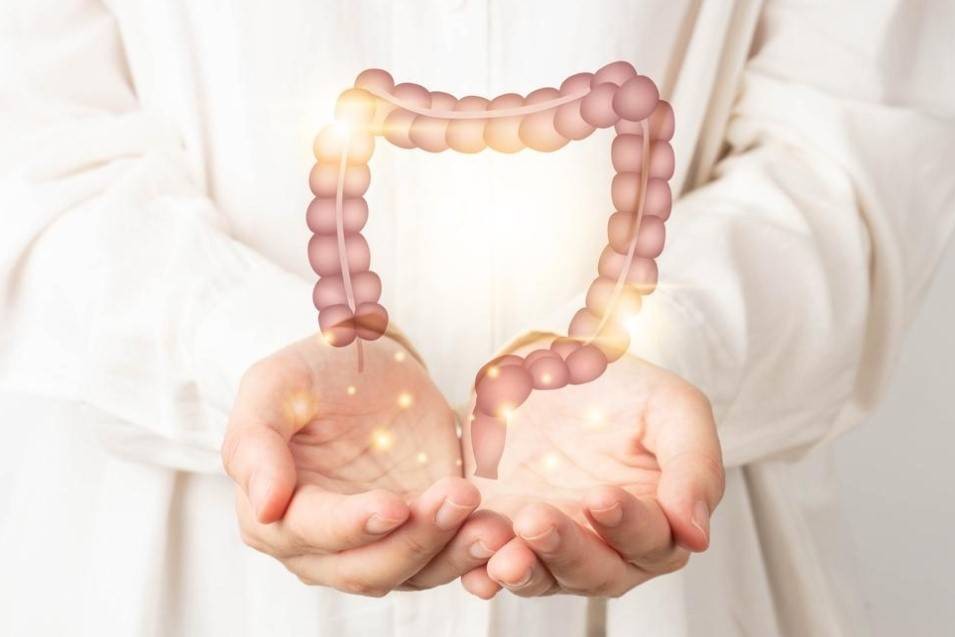
In 2022, colorectal cancer became the second most deadly cancer in Hong Kong after lung cancer, accounting for 15.4% of all cancer deaths. For every 100,000 people, 63 died from colorectal cancer. Gut health is crucial to prevent colorectal cancer. Here are some tips to improve out gut health.
High-fiber diet
Fiber can promote intestinal motility and shorten the time that carcinogens remain in the body. In particular, the indigo contained in cruciferous vegetables (such as broccoli, cauliflower, cabbage and cabbage) helps break down carcinogens in the body. Including more high-fiber foods such as whole grains, vegetables, fruits, and beans in your daily life can reduce the risk of colorectal cancer.
Processed Food
Excessive intake of red meat and processed meat may also be linked to colorectal cancer. Studies have found that food additives commonly found in processed foods destroy the integrity of the intestinal cell structure, allowing harmful bacteria to adhere to the walls and increase the risk of colorectal cancer. It is recommended to cook with fresh ingredients and try to eat more plant-based proteins, such as tofu or soy products, beans, nuts and seeds.
The role of gut microbes
Studies have shown that an imbalance in the intestinal microbiome such as a decrease in the number of beneficial bacteria or an increase in harmful bacteria) may be associated with the development of colorectal cancer.
Probiotic
Chronic inflammation is considered a risk factor for colorectal cancer and can accelerate the pathological process of cancer cells. Probiotics can reduce intestinal inflammation thereby reducing the risk of colorectal cancer. Probiotics are able to produce short-chain fatty acids which have been shown to have anti-cancer properties and promote intestinal cell health. Probiotics that have been widely studied for reducing the risk of colorectal cancer include Lactobacillus, Bifidobacterium, and Butyricicoccus. There are also many foods on the market that contain probiotics, including yogurt, yogurt drinks, kimchi, miso, natto, kefir and kombucha. While these probiotics have shown potential benefits in some studies, further research is needed to determine their effectiveness.
References
Bowel Cancer UK (2024). Diet. Available at: https://www.bowelcanceruk.org.uk/about-bowel-cancer/risk-factors/reducing-your-risk/diet/
HealthyHK (2023). Colorectal Cancer. Available at: https://www.healthyhk.gov.hk/phisweb/en/chart_detail/57/
Pino A, Angelis M DE, Chieppa M, et al. (2020). Gut Microbiota, Probiotics and Colorectal Cancer: A tight relation. World Cancer Research Journal, 7: e1456. Available at:
https://www.wcrj.net/wp-content/uploads/sites/5/2020/01/e1456-Gut-microbiota-probiotics-and-colorectal-cancer-a-tight-relation.pdf
.png)