

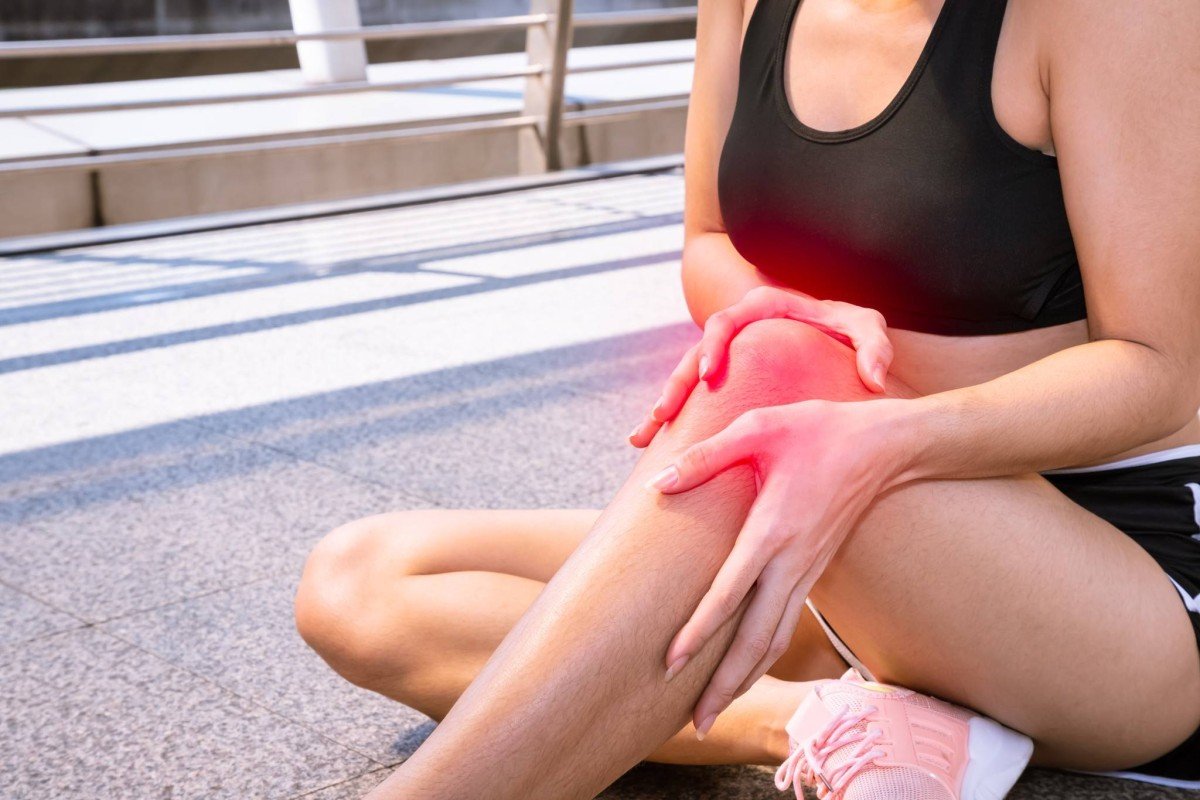
Anterior cruciate ligament (ACL) and meniscus injuries are among the most common knee problems in young people and sports enthusiasts. The ACL plays a crucial role in maintaining knee stability, especially during sports and twisting movements of the knee. In high-intensity sports such as football and basketball, twisting motions of the foot are one of the leading causes of ACL injuries.
What Is the Meniscus?
The meniscus refers to two crescent‑shaped pieces of fibrocartilage located within the knee joint, known as the medial meniscus and the lateral meniscus. Their main functions are to distribute pressure across the knee, absorb shock, stabilize the joint, and reduce friction between the bones. Because the blood supply to the meniscus is limited—particularly in the central region—its ability to heal on its own after injury is relatively poor.
What Are the Anterior Cruciate Ligament (ACL) and Posterior Cruciate Ligament (PCL)?
The anterior cruciate ligament (ACL) and the posterior cruciate ligament (PCL) are two important ligaments inside the knee joint, arranged in a crisscross pattern. The ACL prevents the tibia (shinbone) from sliding forward, while the PCL prevents the tibia from sliding backward. Together, these two ligaments maintain the stability of the knee joint, especially during activities such as running, jumping, sudden stops, and quick turns.
Location and Function of Cruciate Ligaments
The cruciate ligaments are located in the center of the knee joint, with the anterior cruciate ligament (ACL) connecting from the anterior medial aspect of the tibia to the lateral aspect of the femur, and the posterior cruciate ligament (PCL) connecting from the posterior medial aspect of the tibia to the medial aspect of the femur. They effectively prevent excessive anterior-posterior movement of the knee joint during activities and assist in controlling knee rotation, making them extremely important for athletes and individuals in daily activities.
Causes of Meniscus and Cruciate Ligament Tears
Meniscus Tears
Commonly caused by knee twisting, deep squatting, jumping and landing, lifting heavy objects, or prolonged repetitive stress. Sports injuries (such as soccer or basketball), accidental falls, and joint degeneration can all lead to meniscus tears.
Cruciate Ligament Tears
Anterior cruciate ligament (ACL) tears often result from sudden stops, sharp turns, improper landing from jumps, or direct impact to the knee. Posterior cruciate ligament (PCL) tears commonly occur in car accidents or falls with strong force impacting the knee. Female athletes, individuals with knee instability, and those with insufficient muscle strength face higher risks.
Symptoms of Meniscus and Cruciate Ligament Tears
Meniscus Tears
Knee joint pain (often located on the inner or outer side), swelling, limited range of motion, a catching or locking sensation in the knee, instability, worsening pain when climbing stairs or squatting, and sometimes accompanied by popping or clicking sounds.
Cruciate Ligament Tears
At the moment of injury, patients often hear a "pop" sound, accompanied by severe pain and rapid knee swelling. There is significant limitation in movement, a feeling of the leg giving way, instability, or inability to bear weight. In severe cases, the knee joint may exhibit obvious instability or recurrent sprains.
How to Diagnose Meniscus and Cruciate Ligament Tears
- Clinical Examination: Doctors assess knee joint swelling, pain points, range of motion, and stability, performing specialized pulling and rotation tests such as the Lachman test, anterior drawer test, and McMurray test.
- Imaging Tests: X-rays rule out fractures, while magnetic resonance imaging (MRI) is the gold standard for diagnosing meniscus and cruciate ligament tears, clearly showing soft tissue damage. For severe or complex cases, arthroscopy may also be considered.
Meniscus and Cruciate Ligament Tear: Treatment Methods
- Conservative Treatment: Suitable for mild or partial tears. This includes the R.I.C.E. principle (Rest, Ice, Compression, Elevation), use of anti-inflammatory pain medication, physical therapy (to strengthen knee muscles and improve mobility), and wearing knee braces.
- Surgical Treatment: Recommended for severe or complete tears, cases with significant knee instability, or for younger individuals and those requiring high-intensity activity. Arthroscopic surgery may be performed to repair or reconstruct the meniscus or cruciate ligament. Post-surgery rehabilitation is essential to gradually restore knee function.
Post-Surgical Rehabilitation and Care
- Early Phase: Focus on reducing swelling, relieving pain, and maintaining knee mobility. Gentle exercises such as passive flexion-extension and straight leg raises can be performed, while avoiding weight-bearing activities.
- Mid to Late Phase: Gradually increase the knee’s flexion angle and introduce weight-bearing training. Strengthening the thigh muscles, along with balance and coordination exercises, becomes the priority.
- Return to Sports: Under the guidance of doctors and physical therapists, patients may resume daily activities around 4–6 months after surgery, and progressively return to sports between 6–12 months.
- Care Considerations: Keep the surgical wound clean, avoid excessive activity, attend regular follow-up appointments, and monitor for early signs of complications.
FAQ
Do Meniscus or Cruciate Ligament Tears Always Require Surgery?
Mild or partial tears can be managed with conservative treatment approaches. However, in cases of severe or complete tears, significant knee instability, or when the patient has high physical activity demands, surgical intervention is generally recommended.
Can You Walk After a Tear?
In cases of mild meniscus or cruciate ligament tears, some patients may still be able to walk. However, they often experience instability, pain, or a sensation of the knee “giving way.” It is recommended to keep the knee medical attention promptly.
How Long After Surgery to Resume Normal Activities?
Recovery time depends on individual circumstances and rehabilitation progress; typically, walking is possible 4-6 weeks post-surgery, and sports can be resumed after 6-12 months.
How to Prevent Meniscus and Cruciate Ligament Injuries?
Warm up thoroughly before exercise, strengthen knee muscles, maintain a healthy weight, focus on proper sports techniques, and avoid excessive loading or high-risk movements.
For more information on orthopaedics, please visit our hospital’s orthopaedic specialist services, or call (852) 3651 8629 for enquiries and appointments.

.png)